Sometimes, in this journey of storytelling and regenerative culture I descend down a rabbit hole, seeking relationship between lore and reality, culture, history and possibility.
For nine years I’ve journeyed with the wolf.
It started in the forests of Vermont, New England in 2015. Celebrating the success of two weeks in the deep forest with a group of teens, crafting, camping, playing, challenging and creating ‘edge’ experiences. I witnessed mastery in the facilitation of teenage Rites of Passage, guided by coyote maestro, Mark Morey. We laughed a lot as things got more surreal the longer we stayed in the forest.
After the teens had returned to their families, the staff team celebrated with barbecue and live music, double bass, guitar and voice. The moon rose in a clear sky, the wolves howled, the moment became mythic.
A big part of this US experience was finding a suitable ‘edge’ with which to engage young people, the right level of challenge to keep them alert and interested. Across there, with bears, wolves, coyote, porcupine, rattlesnake all roaming the same forests as we did, the wild animals provide a great ‘edge’. They offer fascination, awe and the slightest touch of fear. They ensure a degree of humility and awareness, and remind us of the place of humans in the web of life…not so comfortably at the top of the food chain.
I returned to Scotland and immediately felt the poverty of our wilderness. Whilst musing the potential title for a teenage camp, we could barely think of a cool animal to lend its name to a title…’badger camp’…’seal camp’….’hare camp’…’weasel camp’…it was pitiful.
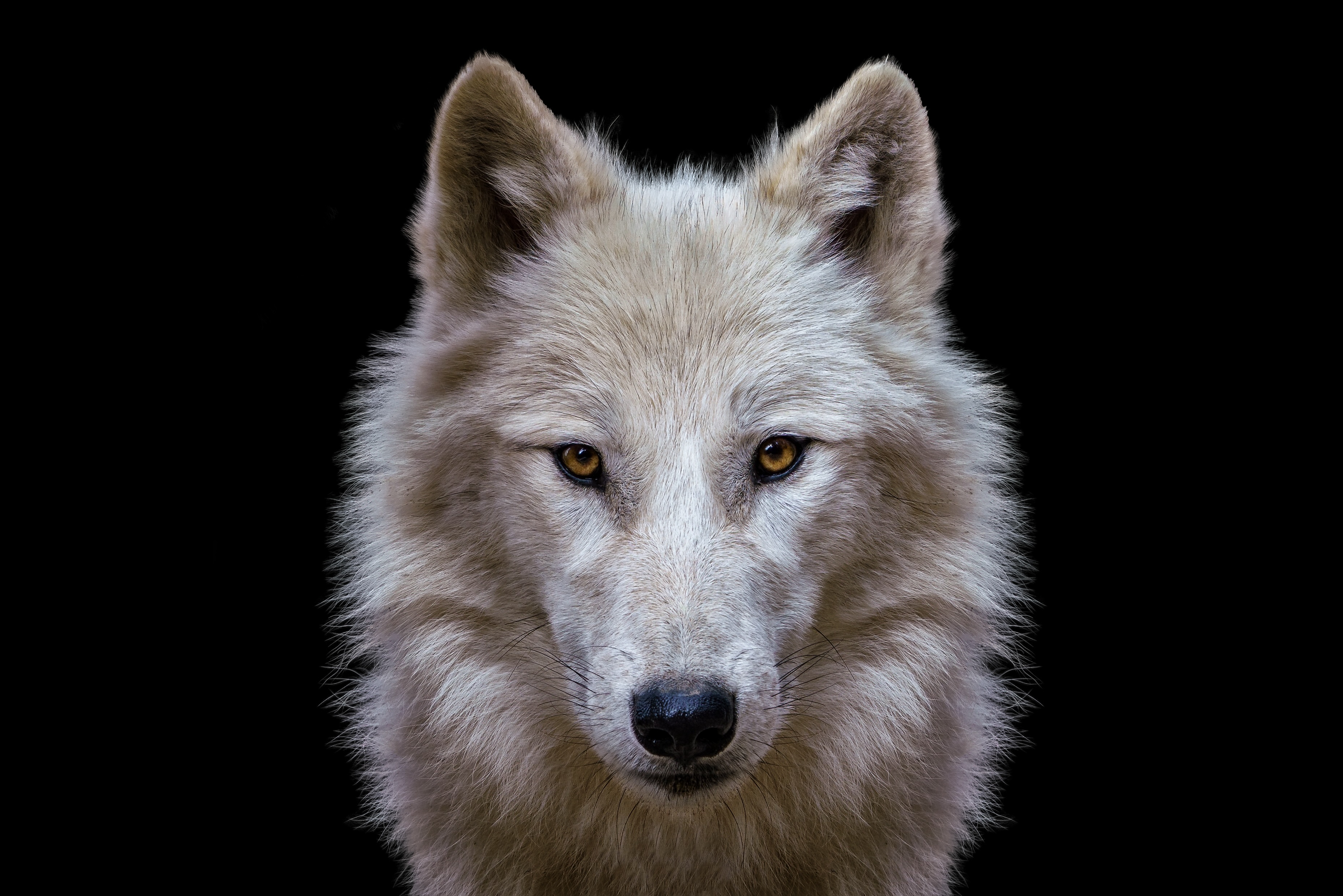
I started reading about Scotland’s natural environment and the notion of ‘rewilding’. In George Monbiot’s book, Feral, he describes large parts of Scotland as ‘wet desert’. Ouch! Places barren and wet and only home to crows. I know the places he talks of (not necessarily the majestic Flow country of the far north).
He argues there are too many deer and sheep, the land is mismanaged. The wolf is absent, and these grazing herbivores are kept in unnaturally high numbers. As a consequence new-growth forest is over browsed and doesn’t grow unless protected by robust, and expensive fences.
In a time of great ecological decline, this issue is real, possibly the big issue regarding Scottish biodiversity (land ownership being another). The wolves in the Yellowstone park video may be over-referenced, but surely, if wolves can move rivers, could they reforest wet deserts too?
I mused what we lose when the wolf is absent, as it has been in Scotland for almost 300 years? Ecologically, socially, psychologically?
“in northern hemisphere wilderness, with the wolf in place everything makes sense, but in the absence of wolves nothing in nature makes sense”
Jim Crumley, The Last Wolf
In Jim Crumley’s book, The Last Wolf, I read that the way most modern people relate to the wolf, is through villainous tropes of European fairy tale, rather than the actual animal.
That piqued my interest: what is the role of the storyteller? What is our responsibility, when the tales we tell lead to the extermination of a keystone species? One need not be wilful in peddling propaganda, merely ignorant.
Yes, wolves are a threat to livestock, yet not so much to human life, if at all. The threat to humans is minimal (less people die to wolf attacks than to faulty umbrellas). Only 26 fatal wolf attacks have occurred over 20 years globally, mostly due to rabid wolves in Turkey and Iran. Yet the fear is real.
The visceral fear is based on stories we’ve heard rather than lived experience, scientific study or ecological knowing. The risk of wolves is lower than a long list of other creatures which most people wouldn’t be concerned about (bees, deer, dogs). In Romania it surprised me to hear that even though the bear was more dangerous, in both forest and towns, fear of the wolf was stronger.
The old stories have power. Stories affect values and belief, these affect behaviour. Over time this becomes culture and it perpetuates until the cycles are broken.
The big bad wolf tales of popular European heritage are loaded with the judgement of medieval theological ideology which saw the wolf as agent of the devil.
‘The Lord is our shepherd’ and we are his flock.

The wolf descended from kin and inspiration to our hunter gatherer ancestors, to livestock thief to pastoral peoples (although there may have been an acceptance that nature claims a tax), then further is the descent, in a time of religious zeal and mania, inquisition and persecution, the wolf is placed alongside the witch as arch ally of the Devil himself.
When one becomes the epitome of evil, a caricature almost unrelated to its true form, then merciless killing is justified. It is Gods work. To rid the land of wolves is holy duty.
It’s also convenient for Kings who want their forests full of deer and boar for hunting, and landlords with mighty flocks during times when wool was worth more to the British Isles than gold. Throw in a few unwieldy community members who may just be werewolves, and all in all, ridding the land of wolves and wolfish characters serves a particular path of ‘progress’ alongside divine will.
Psychologically, wolves were deemed to represent the wild, base, animalistic in the human. Again, not particularly encouraged in medieval christian Europe. Severance from our base nature, sins of the flesh, sensuality, kinship with the wild world around us was preached as godly, and violently upheld by the fervent of faith.
“throughout history man has externalised his bestial nature, finding a scapegoat upon which he could heap his sins and whose sacrificial death would be his atonement. He has put his sins of greed, lust, and deception upon the wolf and put the wolf to death- in literature, in folklore and in real life.”
Barry Lopez, Of Wolves and Men
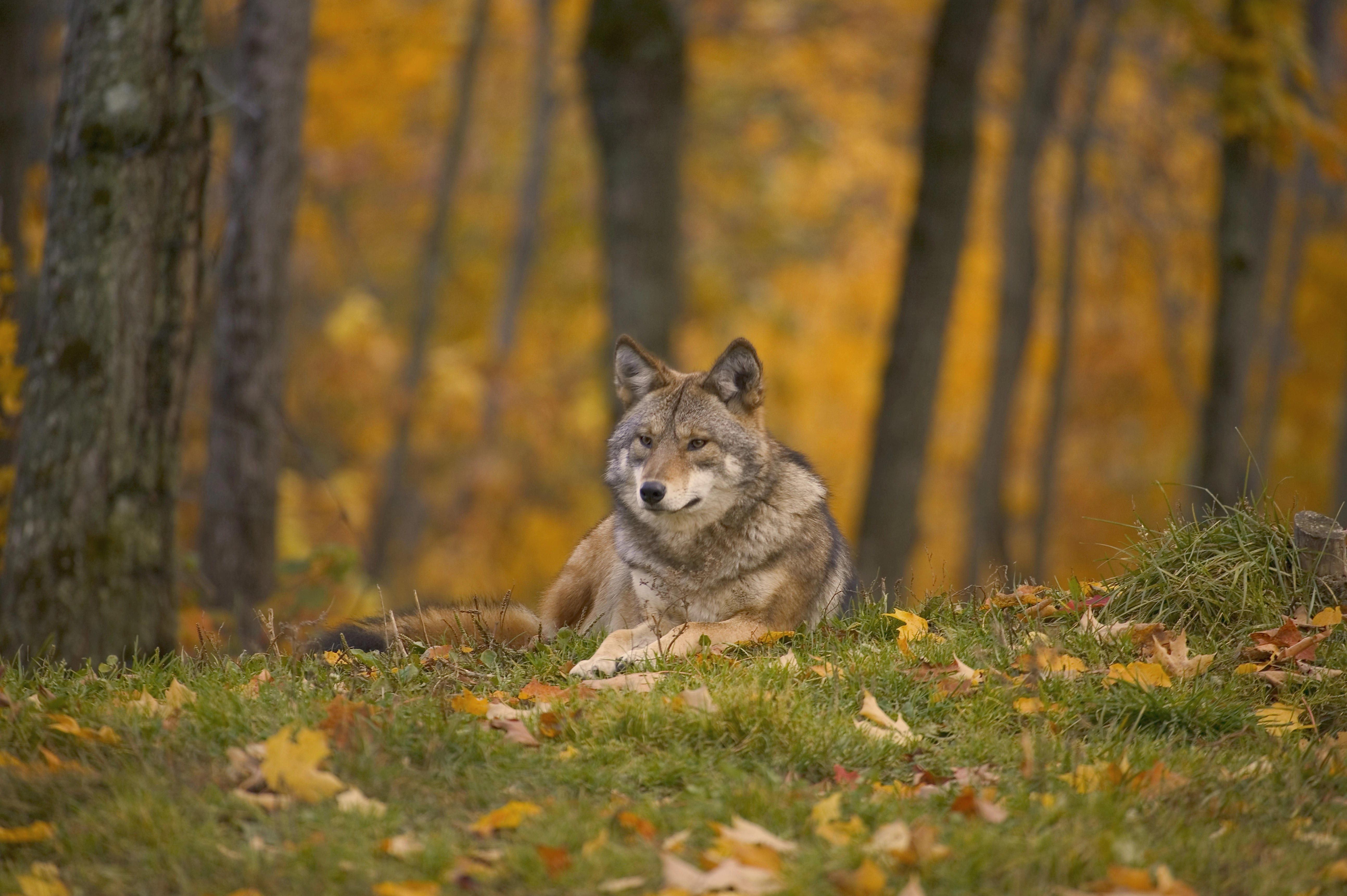
As I mused the power and potency of wolves and witches it seemed no coincidence that patriarchal systems of power deemed them a threat. A power that will not yield to domesticity.
Is it coincidence that the heads of wolves were demanded by Cromwell as Ireland was colonised? Purely poetic synchronicity that the last wolf was killed in Scotland as the Jacobite resistance was crushed by Hanoverian British rule. Certainly if the wolf was still present in the 1800s, the ‘big sheep’ would not have been so profitable and the ethnic cleansing of the Scottish highland gaels, through the highland clearances, may have been stunted, if not avoided. There are curious colonial side notes to the story of the wolf.
Yet back to my own enquiry, I realised I would only ever understand wolves to limited degree through research and story. I had to get close to them in the flesh. I had to get off the British Isles, to somewhere the wolves hadn’t been eradicated, or at least had the freedom to return.
During a deep Romanian winter of 2017 I had my first tracking expedition. I found a local guide who took me up into the snow covered hills, the leafless birch forests glowed purple. We came across the trail of one solitary wolf that day. We found it as soon as we stopped the truck and I expected more…but was disappointed. Yet it was a start! I did however learn much of the traditional shepherding practices that keep their flocks protected from wolf attack…a living culture still working with the wolf. I got a sniff of the wolf and a keener sense of cultures in dynamic relationship with wolves.
Things progressed when I spoke with my pal Greg Sommer. He’s been tracking since his teens, growing up on the doorstep of the eminent Wilderness Awareness School in Washington state, learning with Jon Young himself. I knew him from his time learning Gaelic in Scotland and some outdoorsy type events. I was surprised, yet delighted to hear that he had been tracking wolves near Berlin for a decade or so. Possibilities stared to bubble.
Delayed by Covid, I got to go wolf tracking for a full 3 days with him and his team in early 2023- it was mind blowing! Not only did I get close to wolves, hear first hand encounters of wolf behaviour, discuss the inevitable conflict and debate that arises when the wolf is present, but inevitably dropped into the lucid, timeless state of awareness that comes through deep nature connection, and somehow began to ‘see’ the wolf too, through its tracks and the marks it left on the landscape.
Through the knowledge of the trackers I began to notice things, to read the forest in a way that previously I’d been ignorant to.
I began to imagine, the movement of the wolf in casual lope, or rapid pursuit. I saw the wolves running in a pack, then stopping suddenly, alerted to a sound or sense, of prey or of threat. Finding fresh tracks I wondered if they had sensed us, how that affected their trail. I realised that wolves are almost always in motion.
Somehow through the tracks I could see them, in the same way that I must ‘see’, or sense a story before I can tell it well. I came away from that weekend with a more intimate awareness of the wolf. An awareness that would have been common to all ancestors from the northern hemisphere. Once upon a time you would not survive without an awareness of the wolf. It felt alive, exciting and essential.

Since this immersion, I’ve been back out to Brandenburg tracking once more on a hot, dusty September day, and been tracking a range of Lupine stories, history and lore from across the northern hemisphere. The stories can be elusive, like the wolf itself, but the picture gains texture, colour and detail. As I tell the tales, and share my curiosity, I receive more stories- they are reciprocal like that.
After presenting my work at the Federation for European Storytelling conference in Glasgow, a Hungarian storyteller told me about wolves in her own country. She told me that wolf hunting is a high price sport in the country, as such, they had been warned not to tell any stories in schools or libraries that were empathetic to the wolf, as it may affect public opinion. The cogs of the propaganda machine are still slick and turning in modern Europe.
Somehow, the stories, history, tracking, and possibility of wolves running wild in Scotland once again, have become inextricably linked. Each thread matures in relatedness to the other, as they weave into a rope of connection with our oldest adversary and ally.
Someone at the recent European story convention said, ‘you know you’re going to be known as the wolf guy right?’. I kind of objected, it’s not ‘all’ I’m into, I don’t just tell wolf tales…but I guess it is a pretty niche trail that I’ve followed, and rather than turn back, I’m more inclined to invite more people to join me. Culture change feels important, and that involves concentric circles of people.
Wolf Tracks and Tales in Brandenburg
As such, I’m delighted that we are offering a whole weekend of wolf tracking and storytelling- wolf tracking by day, wolf tales by night. We will be living and dreaming wolf, and I’m not aware of anything similar happening in Europe (I could be wrong).
It’s going to be special, highlight of the year sort of stuff…not because I’m such an amazing storyteller or anything, but just because I appreciate how rare and essential, how fascinating it is to get close to wolves in real life and in myth. How the wild has been stifled in many of us, and connection to the wolf stirs it back into life with a howl.
The group will be fairly small, meals will be included, and sessions guided by Greg and his team, following two packs that circle the town of Bad Belzig. Our base will be a wonderful nature school, and tales will happen by the fire in the evening, in a purpose built wooden teepee sort of structure.
If you feel moved to join us, check the link below, or pass onto someone you know who needs a dose of wolfish wildness in their life.
For more info or questions email dougie@storyconnection.org
or join mailing list: https://sendfox.com/lp/mp2747
or book a place via: https://buytickets.at/dougiemackaystoryteller/1350415
Bibliography:
Barry Lopez, Of Wolves and Men
Derek Gow, Hunt for the Shadow Wolf
Jim Crumley, The Last Wolf
George Monbiot, Feral
Teresa Pijoan, White Wolf Woman
Clarissa Pinkola Estes, Women who run with Wolves
Jim Dutcher, Wisdom of Wolves
Martin Shaw, Wolf milk

 Dougie Mackay Storyteller